cosas siendo cosas
"Cosas siendo cosas" lacks a precise translation outside of Spanish. It implies a wordplay that can be interpreted in at least four different ways.
First, things (life) are exactly as they are, and there is no way to transform them once they materialize and become present. In other words: “that’s just the way things are.”
The second sense is ontological: the thing, as an undefined substance, implies its indeterminacy; as an abstract entity, the thing in itself cannot be anything other than what it is.
In a third sense, it is ethical and connects the first two. If we assume an external quality in "the thing," we can also assume in it a will. The thing being a thing not only "is" (in the sense of the verb "ser" in Spanish) but also "exists" as Heidegger suggests about the "Dasein" (like the verb “to be” in english). There is a "Dasein" in the thing, a being and existing in time, and therefore a will that is extrinsic to us.
The last sense is hermeneutic and interacts with the first three. If objects in the world have a will and are here and now, they are happening; then they also have the ability to ask and question us. They engage in dialogue with us, not only existing to be interpreted, but actively confronting us and questioning us.
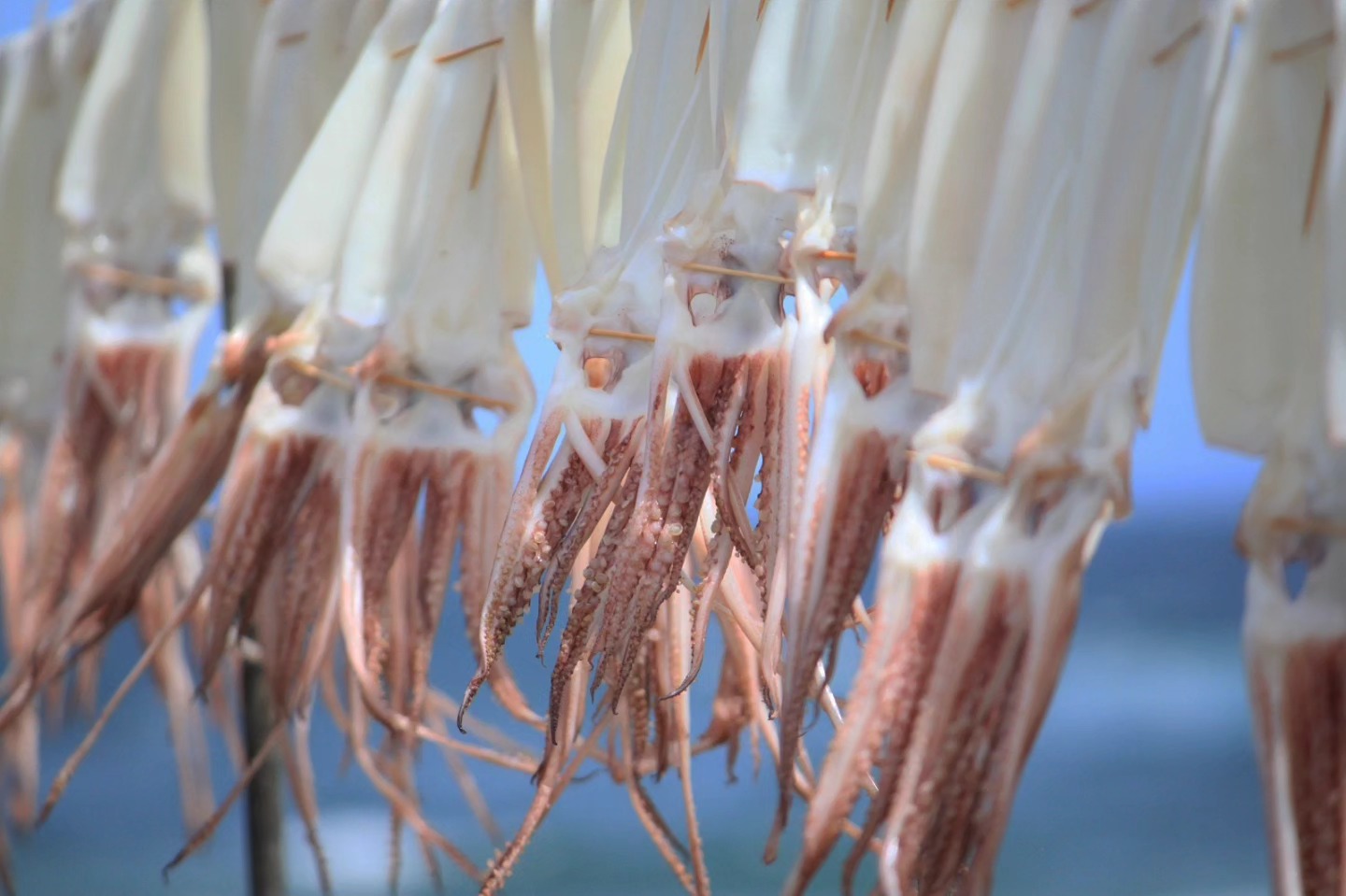
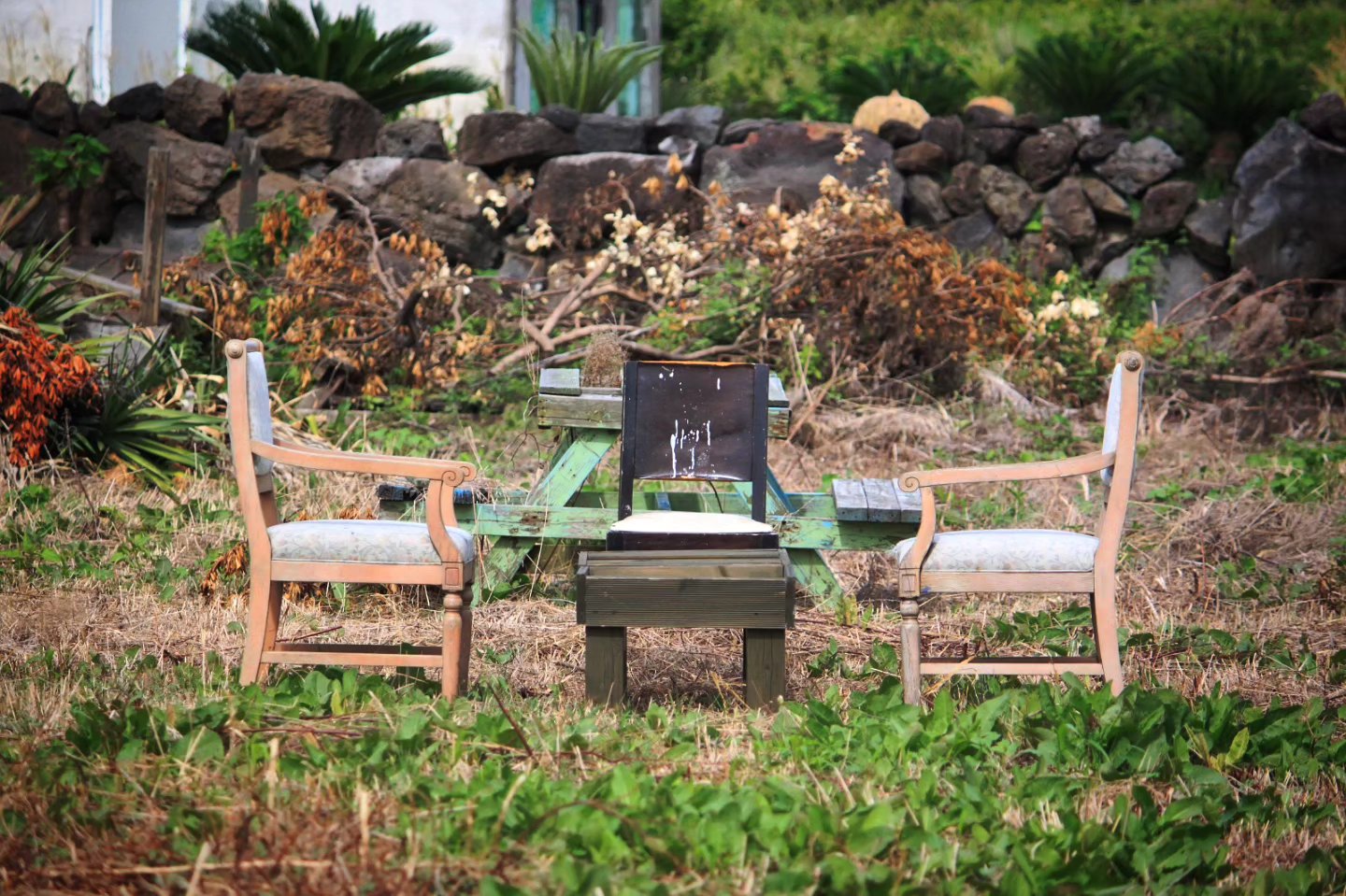
“Cosas siendo cosas” is a long-term project actively developed since 2019. Although it involves dérive exercises, photography, documentation, archiving, and analysis of objects in the world, while building pathways for dialogue with these objects, it is understood in terms of performativity, as performance. The central idea is that our bodies actively engage with the world around us, and the questions that arise are incorporated and embodied in our lives.
Although there is a close link between "cosas siendo cosas" and the Duchampian problem of Ready-Mades, the issue explored in this project is not fundamentally aesthetic/artistic. On the contrary, it addresses the hermeneutic dimension of objects and approaches the problem from the perspective of artistic practice as well as the ethical discussion that our dialogue with the world and the objects within it entails—the materiality that we shape and confront.


Cosas siendo cosas: cortes-flujos-ensamblajes-contraflujos
This is a web tool that allows the user to edit, merge, mount, and mix in non-linear way a multichannel video, result for the PITRAI 2023 in Seoul, Busan, Kyoto, Osaka and Tokyo cities.